In the midst of midterms, taking a refreshing break can often be the last thing on students' minds. We may take procrastination breaks all the time -- YouTube videos, Buzzfeed, scrolling through social media -- and these are definitely valid in their own way. However, I find that more than a half hour of such activities often leaves me feeling guilty or more stressed. Instead, allotting the same amount of time for a calming, self-care activity tends to make me feel much more at ease. Here are several of my favourite ways to temporarily detach from work.
Taking a bath. One of my favourite feelings in the world is sinking into a tub of hot water. Taking a bath is a wonderful, low-commitment de-stressor because I can bring a book along and do my readings in a more relaxed atmosphere. Usually, I like to choose a fun, enjoyable novel, and since I am an English major, this works out. Sometimes, a change of environment is all it takes to refocus. In this way, I get to relax without feeling too guilty about abandoning work.
I didn't plan to have ice cream today. But sometimes uncertainty can be a good thing.
When I signed up for the Career Centre’s Planning Your Career workshop, I was ready to plan. And planning I did. I plotted out my career goals for the next three years with the help of a nifty linear diagram. My plan even had a pretty good end goal: landing my dream job after university.
This was all fine and dandy (I’ve been making colourful five year plans for the past ten years), until I remembered an underlying theme of the Planning Your Career workshop: it’s almost impossible to see the end goal of your career, since a lot of jobs are found through chance. In other words, plans are a good way to explore your career options and help develop your goals, but they don’t factor in all the unpredictable elements that go along with actually landing a job.
When I think of October, grainy vignettes of nights spent in Robarts during extended hours begin cycling through my memory. Moving images in sepia of myself weeping as I struggle to finish multiple essays due the next day; or in grayscale, of myself flustered as I burn my tongue on my second pot of coffee in an attempt to stay lucid while I rush to learn neglected chapters because the midterm is in nine hours, are two of the many depressing images that I automatically associate with this spooky month. Sometimes, for tolerability’s sake, I accompany these memories with a cameo of a sad panda playing a tiny violin. Essentially, October has come to represent an exhaustingly, unhealthy concoction of sleepless nights and excessive stress.
Researching paper #2
Surprisingly, this is where volunteerism has swooped in to save the day.
October is HealthyU month at U of T, an entire month dedicated to celebrating physical and mental health! October 17-21 (starting today!) is Self-Care week, which promotes ways to take care of yourself physically and mentally as well as how to de-stress. Okay, I'll be the first to admit that when I initially thought about self-care, I wondered, "Why do I have to be concerned with how I'm doing?" Well, after some careful consideration, I realized that if I don't care for myself, I get burnt out...easily. I can't always be on the go, go, go (although I do enjoy that) because otherwise all aspects of my life: social, academic, and personal would suffer.
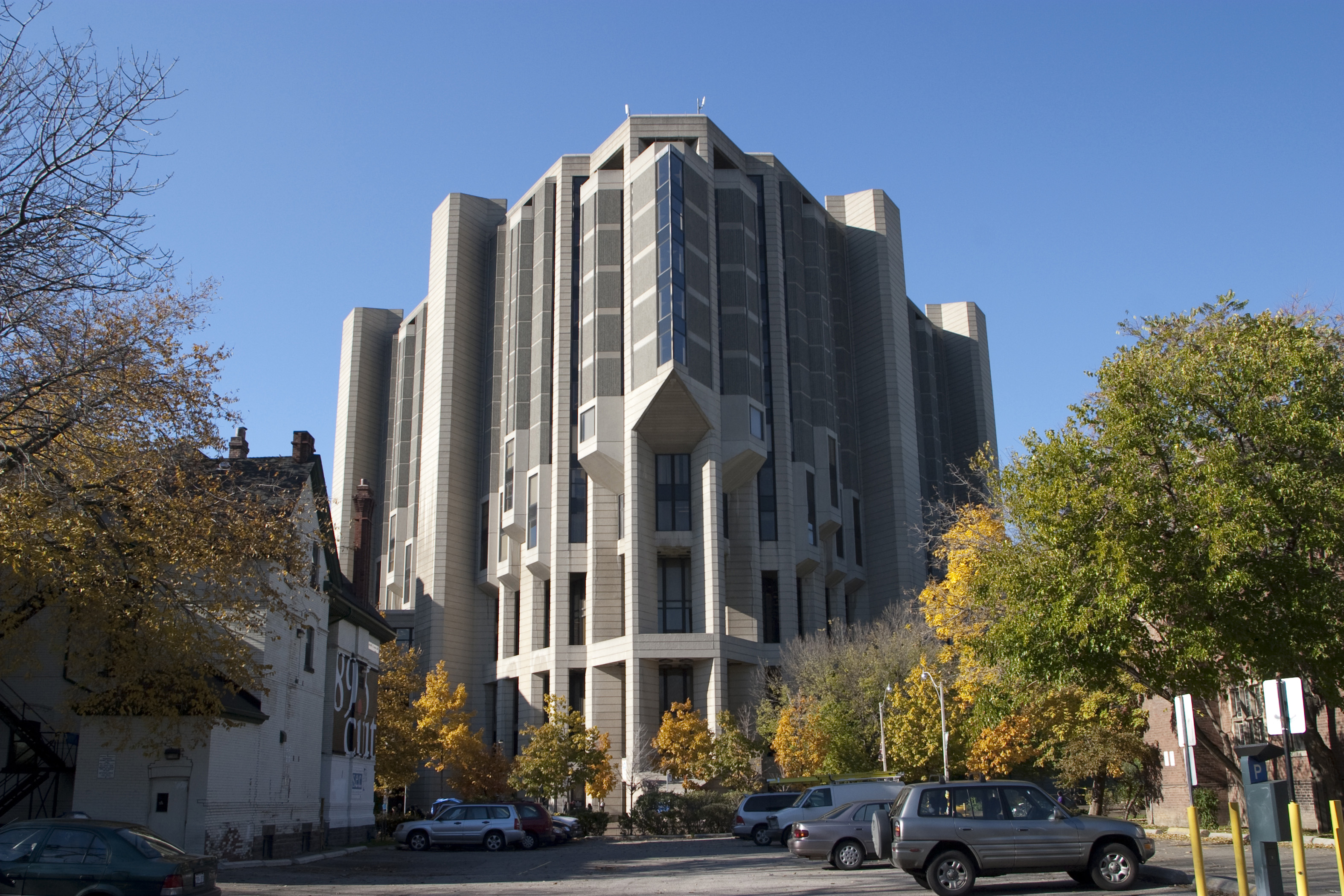
My not-so-secret way (according my friends and family) to de-stress from the enormous amount of midterms I have coming up all in the same week (scary) is to watch some good TV shows and movies. But first, let me explain the source of my stress. I prefer to study in 2 to 3 hour blocks, even though concentrating for that long can sometimes be difficult. Finding time to study for that long can also be difficult, especially with my other commitments. Sometimes I feel stressed out because I feel like I haven't studied enough. However, at the end of my long studying sessions, I mostly feel like I've just come out of a deep slumber, blinking rapidly and looking around wondering "Where am I?" Robarts in the Winter: a building that pulls me in for many hours of studying
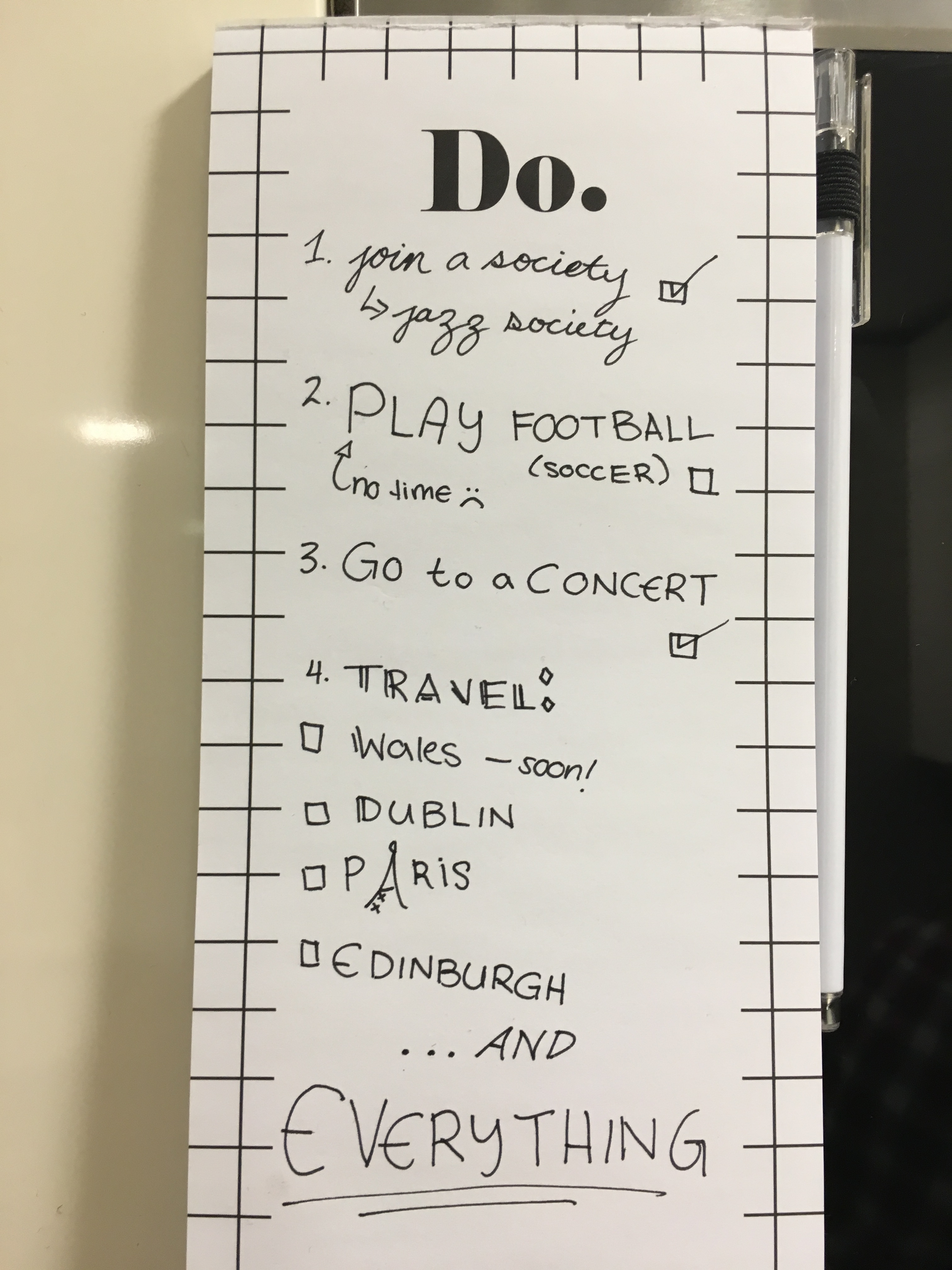
I'm getting there with my "To Do:" List making skills, but maybe this one is a little too ambitious!
When I first arrived in London I had a “To Do:” list with EVERYTHING on it: goal setting, student life, experiences, and travel ideas. I also made a pact with myself that during my semester abroad I would be different — I would stop procrastinating and get all my work done during the week so that I could be free to travel All of Europe on my days off. After two weeks of classes, I realized that my expectations were too big the reality and it was time to take a plan of action.
Even though everyone experiences failure, nobody wants to broadcast them. And it’s definitely hard to talk about them at a competitive school such as U of T. When you’ve experienced academic setbacks at a high-achieving school it’s hard to convince yourself that you can bounce back from it. At least that was the case for me. I saw the ‘failures’ as now-permanent features of my character and less like ‘stumbles’ or ‘setbacks’ (which, in the grand scheme of things, they actually were).
So what's important when you're trying to bounce back from setbacks?
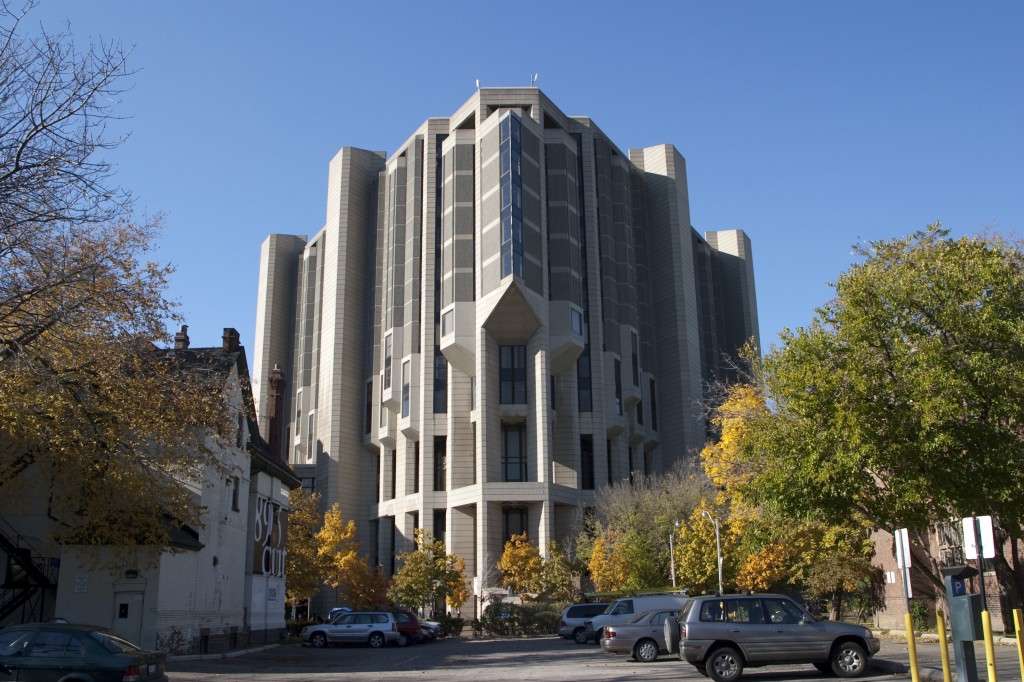
Coming back from setbacks can all be rather intimidating, just like Robarts. (c) University of Toronto
I lived on residence for my first three years at U of T and now that I’m living off-campus I face a real nutritional challenge. I used to pop into my residence repeatedly throughout the day, which gave me the chance to make some food and sit down to eat. Needless to say, these days that’s not exactly feasible.
It’s been a learning curve, but I’ve managed to identify some strategies for success when it comes to feeding myself as a new commuter student. I was doing a terrible job of it initially and learned my lesson the hard way when I fell ill and enjoyed a throbbing headache for three whole days. If you take anything away from this post, try to remember that while it can be challenging, time-consuming and expensive to stay on top of healthy eating sometimes – it’s worth the work. You might save an hour or two by cutting corners or cutting meals but you’ll lose much more than that when you’re feeling unwell later on.
Source: natural-healing-retreats.com
It is easy to get stressed out this time of the year. I had no idea there was such a thing as "midterms" of the midterm before the actual midterm exams in December. These October tests are worth up to 40% of my final year mark. Nervous yet? Well I sure was, once the excitement of the start of a new school year faded and I found myself behind on weeks' worth of lecture readings and notes. One of the things I learned in high school was to take a moment (anywhere from 30 minutes to an hour) to formulate a plan and organise your plan in such a way that you will actually be able to carry out.
I'm think I am an introvert, I probably always have been. I try not to shy away from it anymore because I don't think it's necessarily a bad thing. Also, I think a lot of people misunderstand what introversion means. It can mean "a shy person" but I like to think that the psychological definition of introversion is much more relevant:
"a person characterized by concern primarily with his or her own thoughts and feelings"
This makes a lot more sense to me; I'm not a quite person because I have nothing to say or I'm scared to say it but more so because I'm taking everyone's inputs in and assessing my own thoughts first. I'm the kind of person who doesn't need to have other people around in order to feel happy, energized or active. I'm perfectly content spending a weekend with myself, just going about daily life and reading a book or two (or 10). I like listening to my music and staring into space (or simply staring into space).
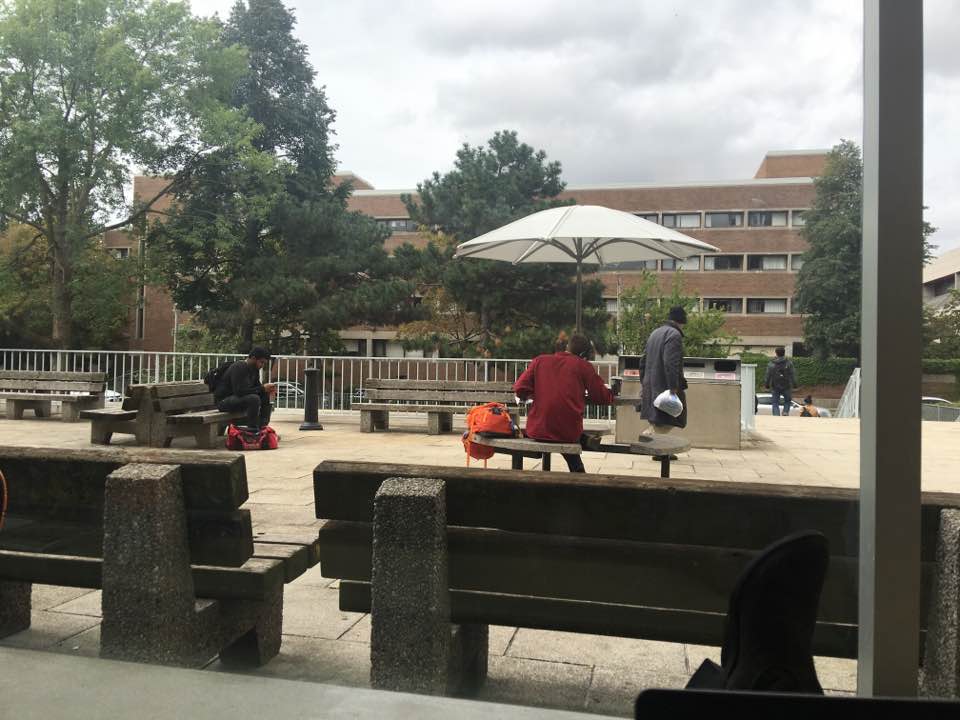
Chilling in the Sid Smith Lounge and "people-watching" (a fancy term for staring into space)
It’s the middle of October and you know what that means? Pumpkin spiced lattes, a chilly breeze, Halloween décor, and midterms. Around this time of year, students often find their schedules filled with due dates, exams, quizzes, labs, papers, and assignments. During times like these, time is of the essence.
On that note, here is a life-hack to help save time: one of the most effective ways to maximize productivity is to minimize distractions. From personal experience, an hour of distraction-free studying is generally equivalent to 5-6 hours of distracted studying. Therefore, by staying focused, you can actually save a lot of time. So, how can you stay focused when studying?